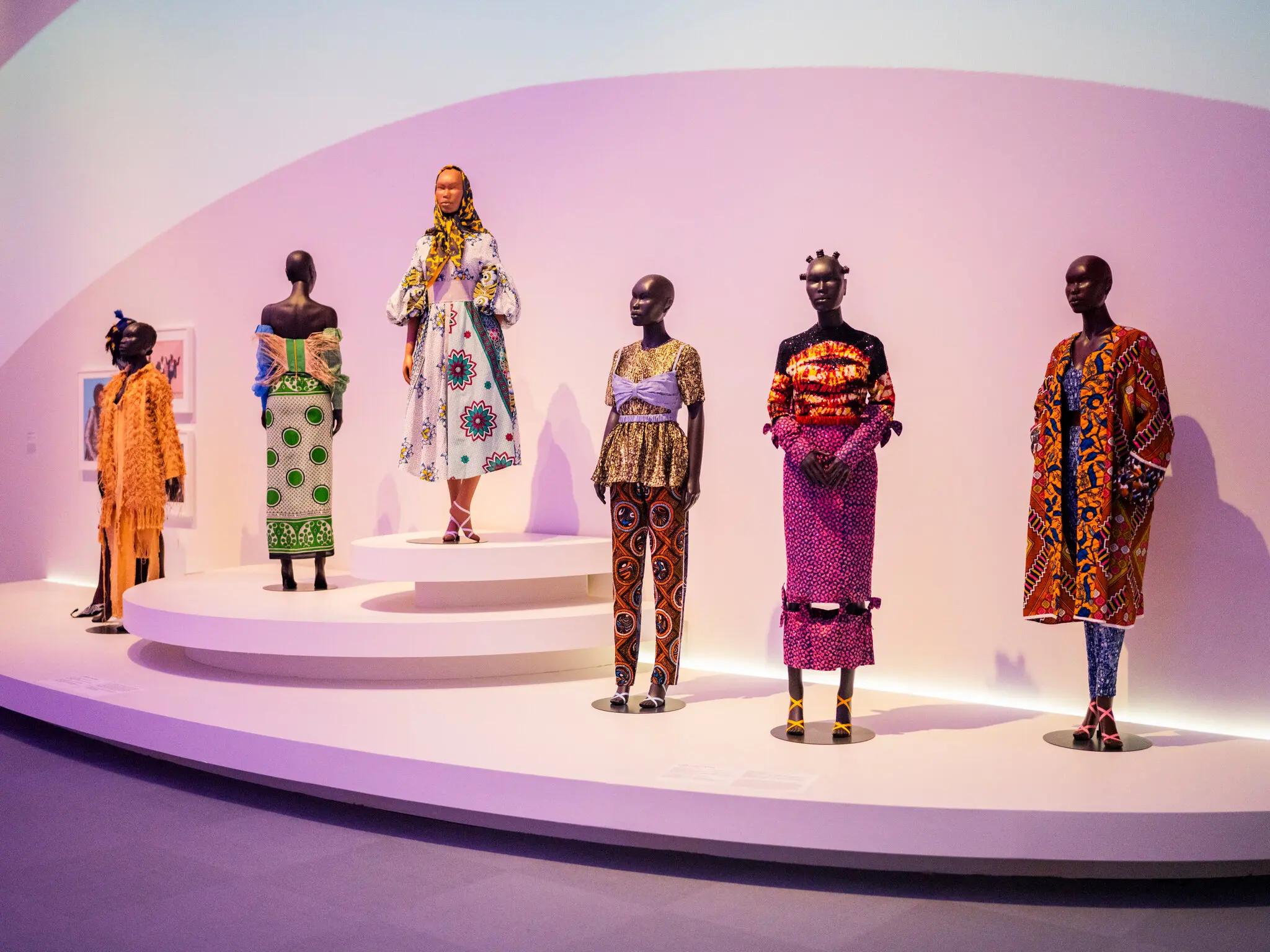


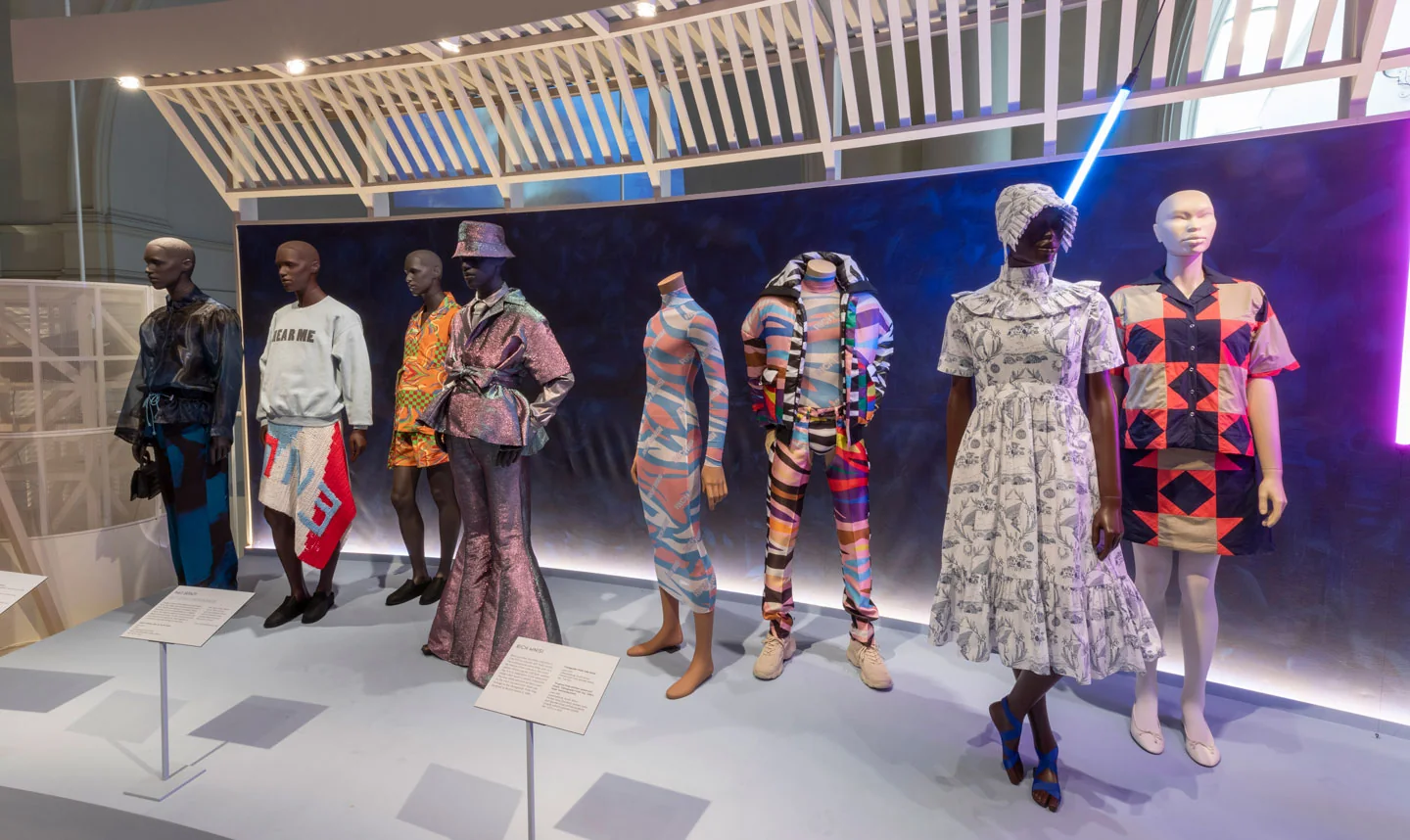
In recent years, African fashion has transcended traditional boundaries to become one of the most dynamic and influential forces in the global style landscape. From bold Ankara prints flooding international runways to avant‑garde couture reinterpreting ancient textiles, designers across the continent are harnessing their rich cultural heritage and entrepreneurial spirit. For fashion lovers everywhere, this movement isn’t just about vibrant garments—it’s a celebration of identity, sustainability, and economic empowerment.
At its heart, African fashion is about storytelling. Each fabric, pattern, and silhouette carries the legacy of generations: the geometric motifs of Mali’s mud cloth, the wind‑woven kente stripes of Ghana, the vivid batik of West Africa, and the intricate beading of the Maasai. Today’s designers are weaving these time‑honored techniques into contemporary cuts that resonate with modern wardrobes.
For many African communities, seeing their dress traditions showcased on the world stage has been a catalyst for cultural pride. When Ethiopian designer Imane Ayissi debuted his couture line in Paris—featuring hand‑embroidered calabash gourd buttons and Togo’s Taaba cloth—the fashion world took notice. These moments affirm that African fashion isn’t niche; it’s a vital voice in the global conversation about beauty, identity, and representation.
Beyond artistry, African fashion is a powerful engine for development. In cities like Nairobi, Dakar, and Accra, fashion hubs are sprouting up, creating jobs in design, production, marketing, and retail. Initiatives like Nigeria’s Fashion Exchange and Ghana’s Greater Accra Fashion Week are propelling small‑scale artisans onto global marketplaces, while tech platforms such as Kembe and Jumia connect local makers with international buyers.
Major fashion weeks and award shows are increasingly spotlighting African talent. The last few seasons have seen garments by African designers worn by A‑list celebrities on red carpets and in music videos—further amplifying their reach.
1. Discover Authentic Brands: Seek out designers who ethically source materials and support local craft communities.
2. Invest in Quality Over Quantity: African fashion often emphasizes craftsmanship. A well‑made piece can become a lasting wardrobe staple.
3. Learn the Stories: Every print and weave has a history. When you wear African fashion, you’re carrying a narrative of resilience, creativity, and hope.
4. Support Sustainable Practices: Look for labels prioritizing eco‑friendly production, fair wages, and upcycled materials.
The power of African fashion lies in its ability to bridge past and present, local and global, art and enterprise. It’s more than a trend—it’s a movement rooted in centuries of heritage, emboldened by contemporary visionaries, and charged with the promise of economic uplift. For your fashion journey, embracing African design means honoring diversity, championing sustainability, and celebrating the unyielding spirit of innovation that thrives across the continent.
Have a project?Let's start.