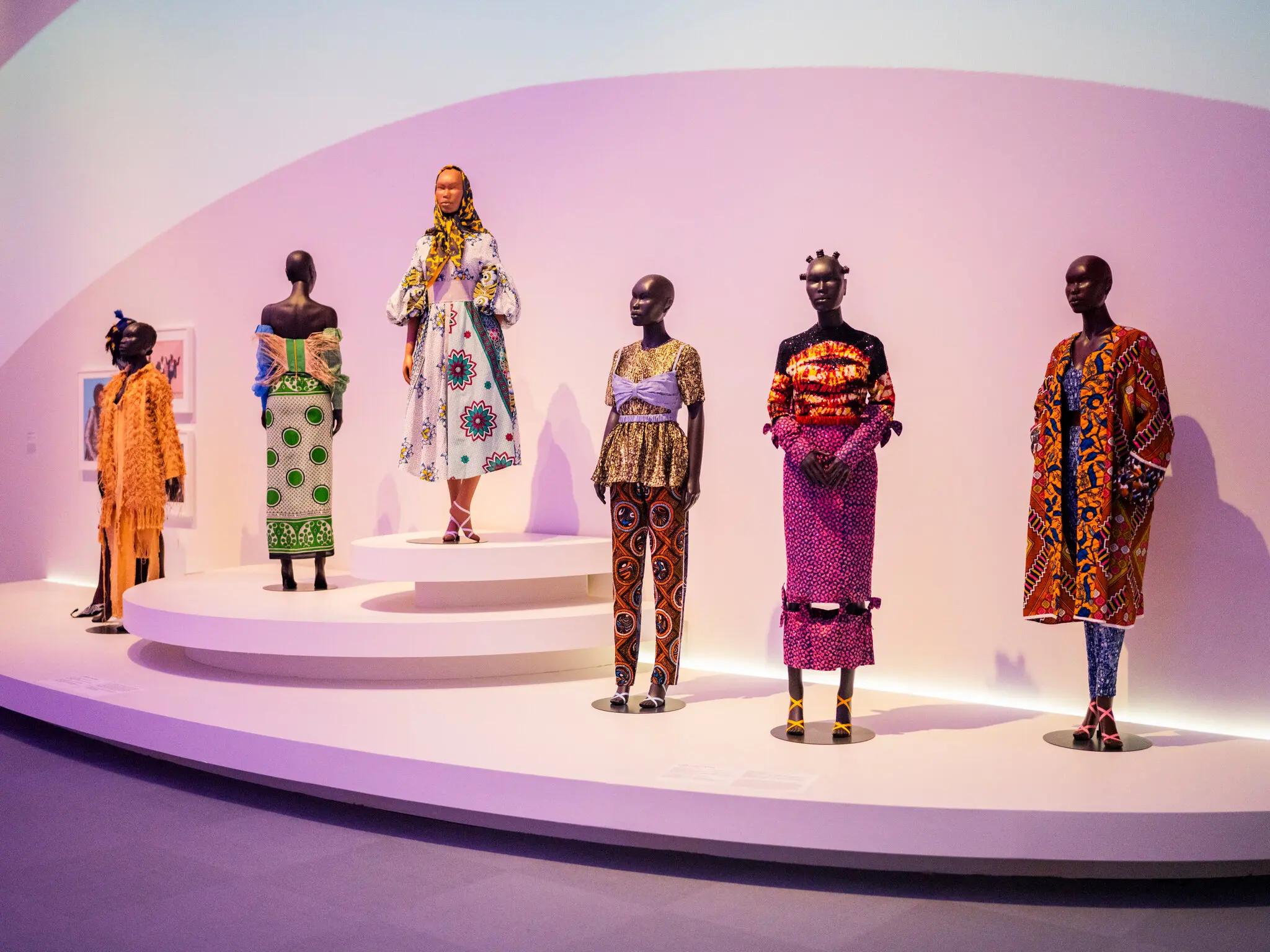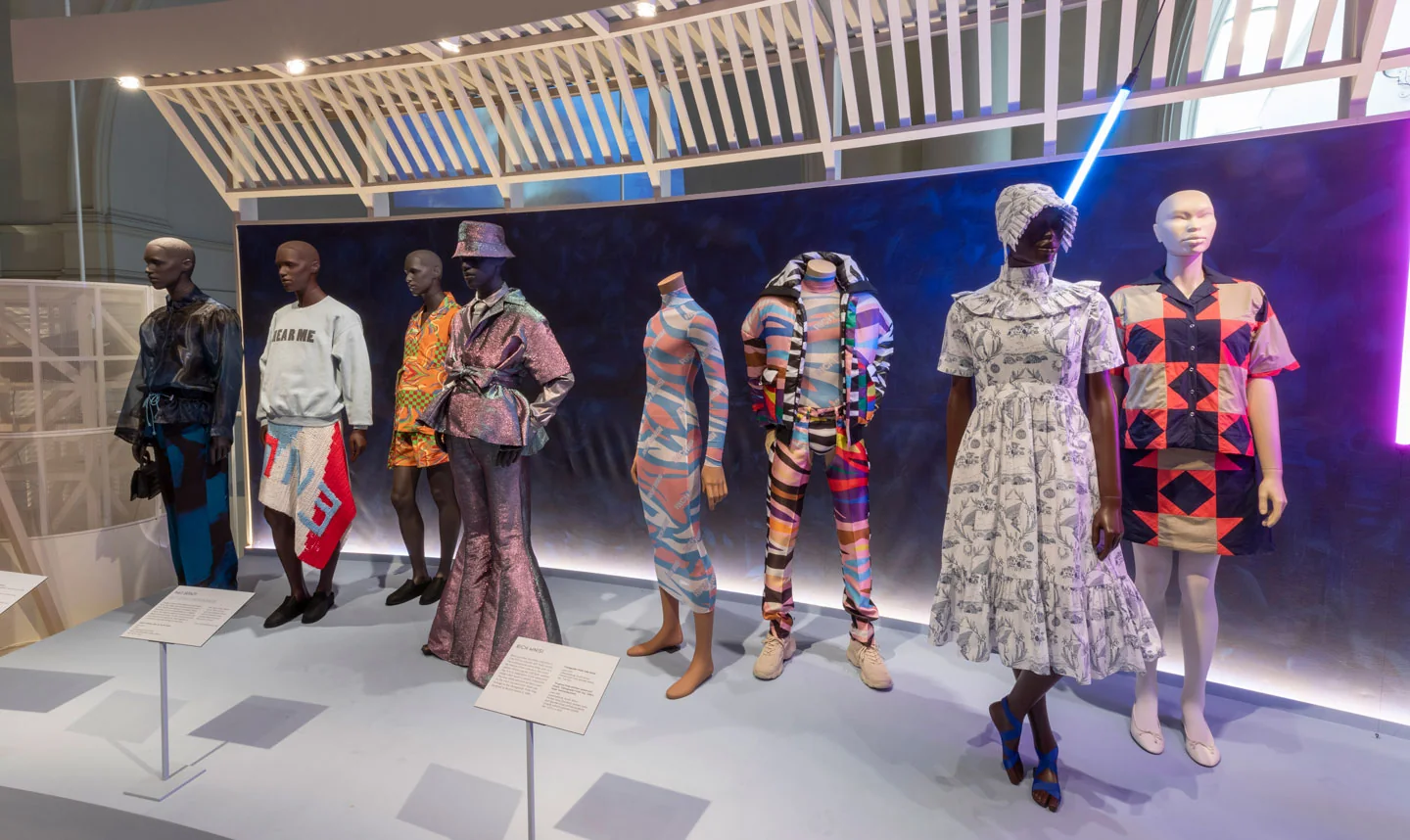


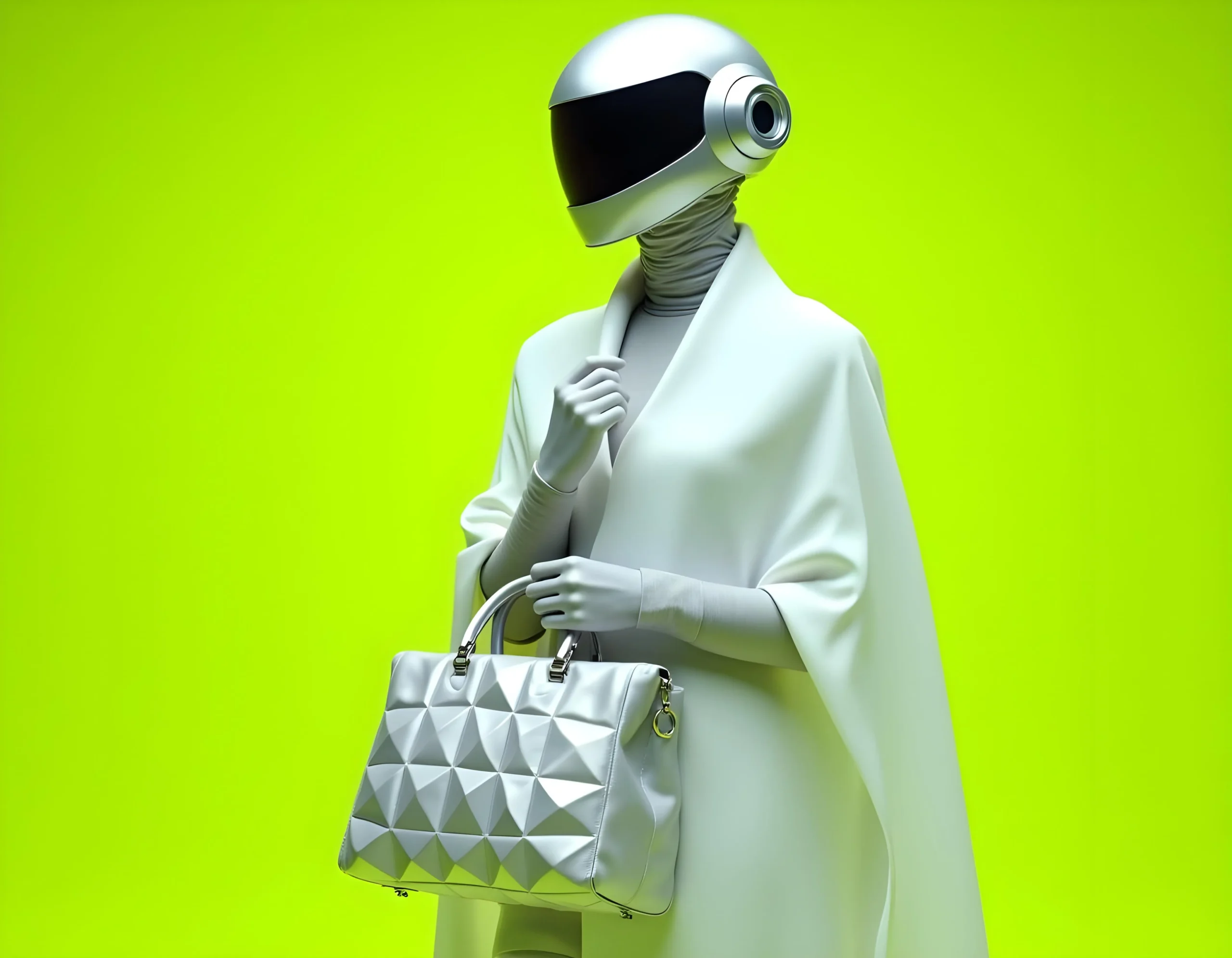
In an industry defined by creativity, innovation, and rapid trend cycles, fashion is embracing a powerful new partner: artificial intelligence. Far from the sci‑fi trope of robot designers, AI‑driven design tools are becoming practical assets for brands and creatives—streamlining workflows, unlocking fresh ideas, and helping the industry respond more sustainably to consumer demand. Here’s a closer look at how AI is reshaping fashion from sketchpad to storefront, and what it means for both fashion lovers and brands.
Traditionally, concepting a new fashion collection could take weeks of mood‑boarding, hand‑sketching, and sample‑making. AI generative models change the equation by producing dozens of design directions in minutes.
How It Works: Designers supply the AI with parameters—style era, palette, silhouette, material properties—and the model generates variations, from subtle riff‑offs to bold mash‑ups.
Real‑World Benefit: A small team can explore 50 silhouette profiles in the time it once took to sketch five, freeing bandwidth for creative refinement rather than repetitive drawing. This means faster seasonal drops and more time to perfect fit, finishing, and storytelling.
One‑size‑fits‑all is giving way to “one‑size‑fits‑me.” By analyzing individual purchase histories, body measurements, and style preferences, AI systems can propose bespoke designs—everything from a custom‑fitted blazer to a capsule wardrobe aligned with your lifestyle.
For Brands: Implementing AI‑driven personalization can boost customer engagement and loyalty. When shoppers see pieces that feel tailor‑made, average order values and repeat visits rise.
For Consumers: The dream of owning garments that truly fit and flatter your unique body shape without the couture price tag is closer than ever.
The fashion industry’s environmental footprint has come under increasing scrutiny. AI offers tangible tools to address it at multiple stages:
Demand Forecasting: Machine‑learning algorithms sift through sales data, social‑media signals, and even weather patterns to predict demand more accurately—reducing overproduction and markdowns.
Optimized Pattern Layouts: AI‑powered nesting software can arrange pattern pieces on fabric with millimeter precision, minimizing off‑cuts and fabric waste.
Material Innovation: AI can screen thousands of biofabric blends for performance and sustainability metrics, guiding R&D teams toward eco‑friendly textiles that meet quality standards.
State‑of‑the‑art design software and expensive prototyping equipment have historically been out of reach for emerging labels. Cloud‑based AI platforms are changing that:
Accessible Virtual Studios: Subscription‑based AI design suites allow indie brands to run 3D draping simulations, experiment with textures, and visualize fit without heavy capital investment.
Collaborative Ecosystems: Online marketplaces now connect AI‑savvy freelance designers with small brands seeking digital design expertise—fostering innovation beyond established fashion hubs.
Despite all its promise, AI is a tool—not a replacement for human creativity and cultural insight. Successful brands will be those that blend algorithmic speed with the designer’s eye for nuance, narrative, and emotional resonance.
Creative Direction: Designers set the vision—defining the brand’s heritage, values, and the story behind each collection. AI helps execute and explore that vision, but it doesn’t replace the intuitive decisions born of lived experience.
Ethical Oversight: As AI models increasingly learn from existing design archives, brands must ensure proper attribution and avoid inadvertently replicating another creator’s work. Transparency around data sources and AI workflows will build trust with consumers.
Pilot a Low‑Stakes Project: Try AI‑assisted concepting for a small accessory line or limited‑edition drop to understand workflows and ROI.
Upskill Your Team: Offer workshops on AI tools and best practices, encouraging your designers to see AI as a creative partner rather than a threat.
Partner with Tech Vendors: Collaborate with specialized AI-platform providers who understand fashion workflows—they can tailor solutions to your brand’s scale and aesthetic.
Integrate Data & Design: Break down silos between your merchandising, marketing, and design teams so that insights (sales data, trend reports, customer feedback) directly inform AI‑powered ideation.
AI‑generated designs represent a paradigm shift, offering agility, personalization, and sustainability benefits that align with the demands of today’s consumers and the planet. But the heart of fashion—its power to evoke emotion, tell stories, and reflect cultural identity—will always rest with human hands and hearts. When brands harness AI thoughtfully, they’ll unlock new frontiers of creativity and efficiency, ushering in a future where technology elevates, rather than eclipses, the artistry of design.
Have a project?Let's start.