Category: Blog

Your blog category

  • The Power of African Fashion: Celebrating Heritage, Innovation, and Influence

    The Power of African Fashion: Celebrating Heritage, Innovation, and Influence

    The Power of African Fashion: Celebrating Heritage, Innovation, and Influence

    The Power of African Fashion:
    Celebrating Heritage, Innovation, and Influence

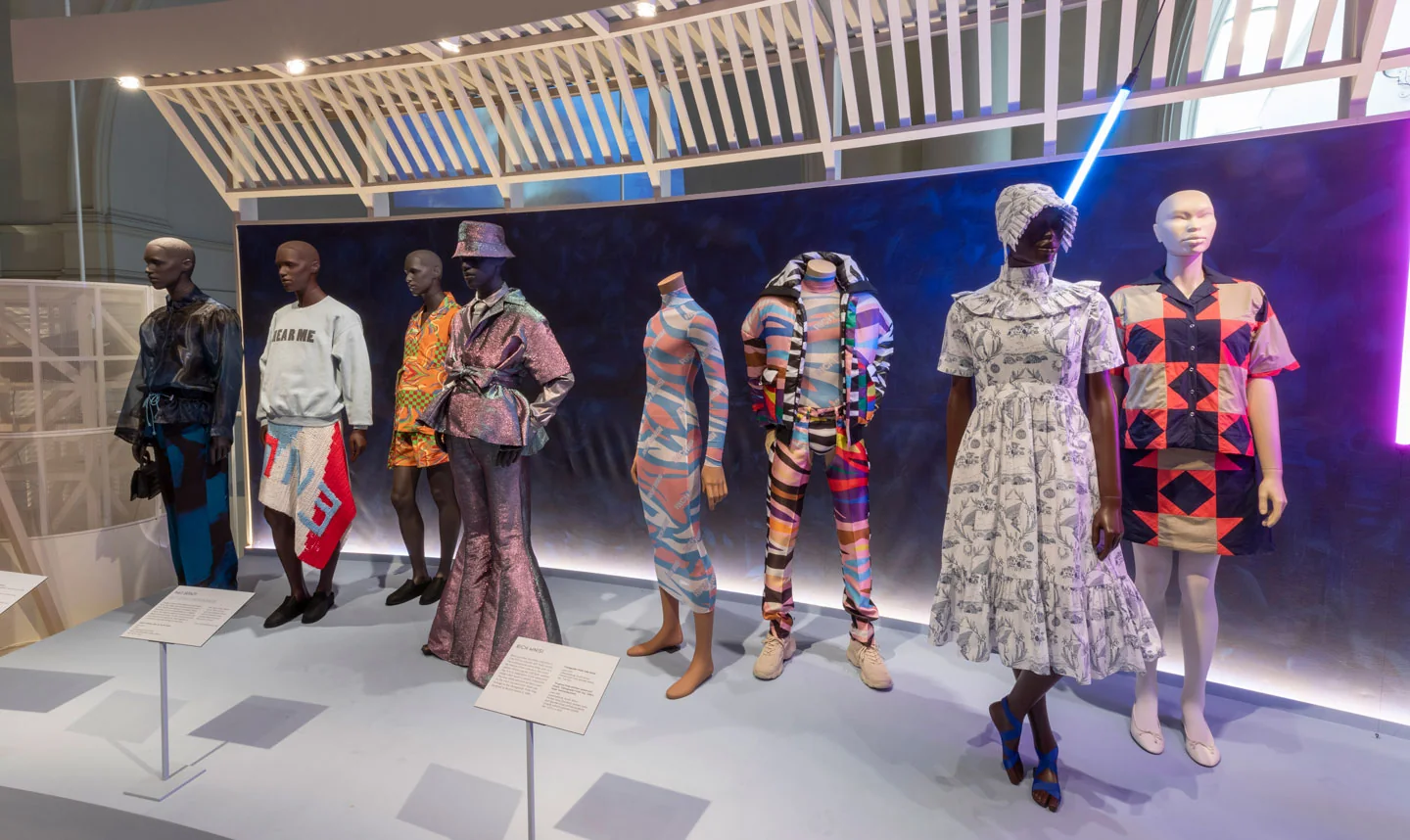
    In recent years, African fashion has transcended traditional boundaries to become one of the most dynamic and influential forces in the global style landscape. From bold Ankara prints flooding international runways to avant‑garde couture reinterpreting ancient textiles, designers across the continent are harnessing their rich cultural heritage and entrepreneurial spirit. For fashion lovers everywhere, this movement isn’t just about vibrant garments—it’s a celebration of identity, sustainability, and economic empowerment.

    1. A Tapestry of Tradition and Modernity

    At its heart, African fashion is about storytelling. Each fabric, pattern, and silhouette carries the legacy of generations: the geometric motifs of Mali’s mud cloth, the wind‑woven kente stripes of Ghana, the vivid batik of West Africa, and the intricate beading of the Maasai. Today’s designers are weaving these time‑honored techniques into contemporary cuts that resonate with modern wardrobes.

      •  
      • Ankara Revival: Once relegated to local markets, Ankara—an indigo‑dyed cotton print—now graces the collections of global houses like Dior and Valentino. African brands such as Lagos‑based Lisa Folawiyo and South Africa’s Maxhosa by Laduma have pioneered ways to modernize these prints, pairing them with sharp tailoring and unexpected fabrics.
      •  
      • Textile Innovation: Designers are also exploring indigo‑dying, hand‑loom weaving, and upcycled textiles to create sustainable luxury. By reviving age‑old techniques, they’re ensuring that each piece is not only visually striking but also environmentally responsible.

    2. Driving Cultural Confidence

    For many African communities, seeing their dress traditions showcased on the world stage has been a catalyst for cultural pride. When Ethiopian designer Imane Ayissi debuted his couture line in Paris—featuring hand‑embroidered calabash gourd buttons and Togo’s Taaba cloth—the fashion world took notice. These moments affirm that African fashion isn’t niche; it’s a vital voice in the global conversation about beauty, identity, and representation.

    • Redefining Beauty Standards: African fashion challenges narrow Western ideals. By centering black models, varied body types, and indigenous aesthetics, the movement broadens notions of elegance and redefines mainstream style.
    • Diaspora Influence: African designers in London, New York, and Paris—like Thebe Magugu and Kenneth Ize—blend Western cuts with African motifs, creating hybrid designs that speak to both heritage and contemporary audiences.

    3. Economic Empowerment and Social Impact

    Beyond artistry, African fashion is a powerful engine for development. In cities like Nairobi, Dakar, and Accra, fashion hubs are sprouting up, creating jobs in design, production, marketing, and retail. Initiatives like Nigeria’s Fashion Exchange and Ghana’s Greater Accra Fashion Week are propelling small‑scale artisans onto global marketplaces, while tech platforms such as Kembe and Jumia connect local makers with international buyers.

    • Job Creation: The fashion ecosystem—from cotton farmers and weavers to tailors and models—supports entire communities.
    • Entrepreneurial Growth: Fashion incubators and mentorship programs are equipping young creatives with business acumen, helping them scale from street markets to runways.
    • Sustainability: By prioritizing local supply chains and low‑impact dyes, the industry is reducing waste and promoting ethical labor practices.

    4. African Fashion on the World Stage

    Major fashion weeks and award shows are increasingly spotlighting African talent. The last few seasons have seen garments by African designers worn by A‑list celebrities on red carpets and in music videos—further amplifying their reach.

    • Runway Moments: Lagos and Johannesburg Fashion Weeks now attract global press and buyers, showcasing capsule collections that sell out within hours.
    • Collaborations: International brands are collaborating with African labels for capsule collections, bringing indigenous artistry to new audiences. These partnerships not only diversify design portfolios but also inject capital back into African ateliers.

    5. How You Can Join the Movement

    1. Discover Authentic Brands: Seek out designers who ethically source materials and support local craft communities.
    2. Invest in Quality Over Quantity: African fashion often emphasizes craftsmanship. A well‑made piece can become a lasting wardrobe staple.
    3. Learn the Stories: Every print and weave has a history. When you wear African fashion, you’re carrying a narrative of resilience, creativity, and hope.
    4. Support Sustainable Practices: Look for labels prioritizing eco‑friendly production, fair wages, and upcycled materials.

    Conclusion

    The power of African fashion lies in its ability to bridge past and present, local and global, art and enterprise. It’s more than a trend—it’s a movement rooted in centuries of heritage, emboldened by contemporary visionaries, and charged with the promise of economic uplift. For your fashion journey, embracing African design means honoring diversity, championing sustainability, and celebrating the unyielding spirit of innovation that thrives across the continent.
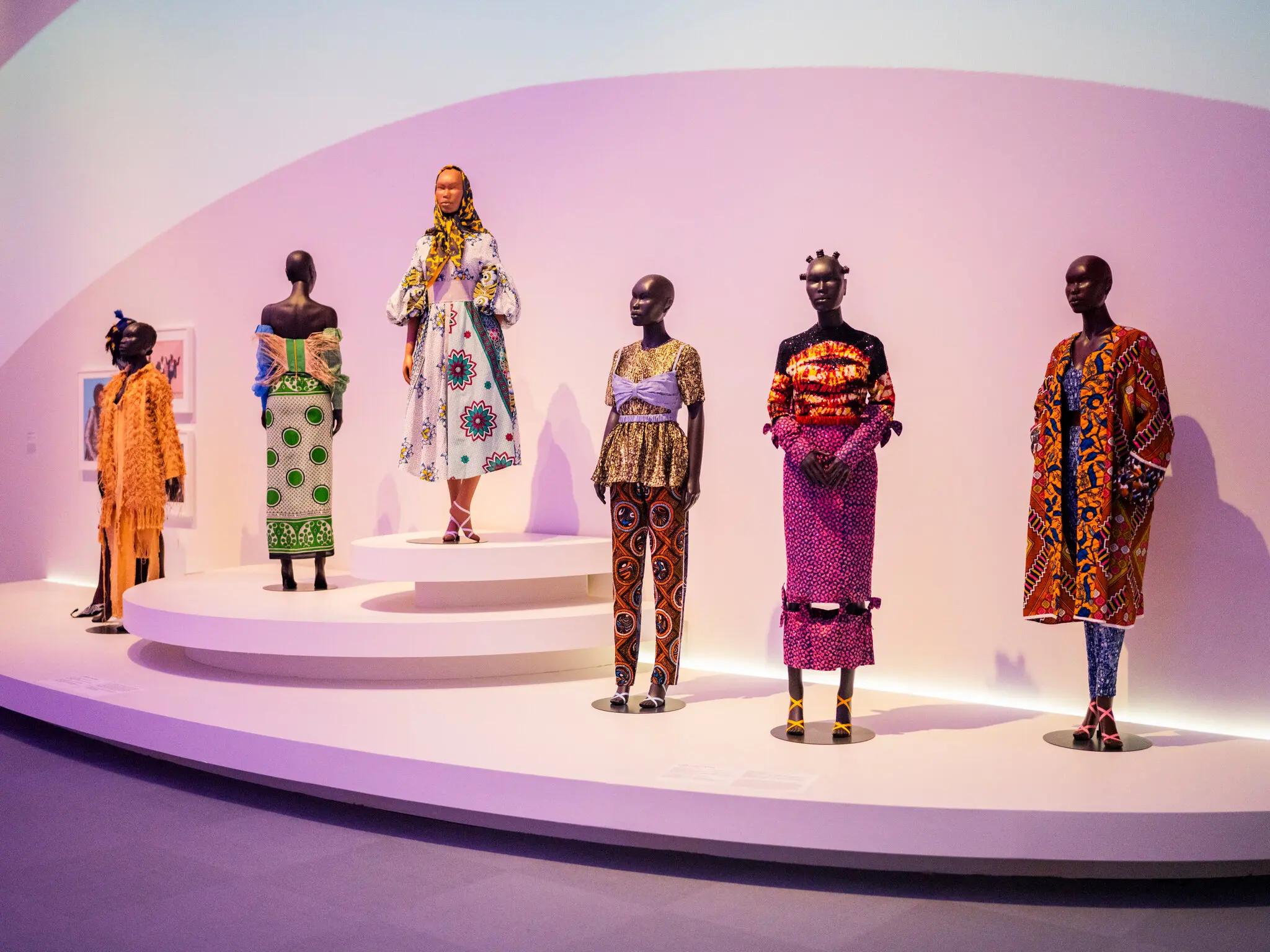

    Ready to make a statement? Explore, learn, and wear African fashion with pride—because every garment tells a story, and every story has the power to transform.

  • The Rise of New African Fashion Trends: Why We’re All Here for It 🌍✨

    The Rise of New African Fashion Trends: Why We’re All Here for It 🌍✨

    The Rise of New African Fashion Trends: Why We’re All Here for It 🌍✨

    The Rise of New African Fashion Trends: Why We’re All Here for It 🌍✨

    Say goodbye to one‑and‑done seasonal “It” pieces—African fashion is rewriting the global style playbook, and Gen Z is leading the front row. From TikTok trends to IRL street‑style moments, here’s how the latest African looks are taking over your feed (and your closet).

    1. Ankara Goes High‑Low: From Grandma’s Closet to Celeb Streetwear

    Remember the bold, wax‑print skirts of your aunty’s wedding? They’ve morphed into “Ankara 2.0”—think mini skirts, corset tops, even sleek jumpsuits. Influencers like @ogidi.lu (Luchy Donalds) are remixing prints with unexpected silhouettes (crop bustiers! slinky slip skirts!). The result? A high‑low mashup that’s equal parts heritage and hype.

    • Pro tip: Pair a bright Ankara blazer with ripped dad jeans + chunky kicks. Instant street cred.

    • Vibe inspo: #AnkaraTok is blowing up right now—scroll for DIY upcycles and mini‑hauls.

    2. Afro‑Urban: Where Streetwear Meets Sankofa

    Labels like Lagos’s Orange Culture and Johannesburg’s Rich Mnisi are folding African motifs into hoodies, cargo pants, and oversized tees. It’s the perfect fusion of Afropolitan chic and skate‑park cool.

    • Why we stan: These brands aren’t just slapping tribal prints on hoodies—they’re collaborating with local artisans, reimagining folk patterns, and championing sustainable fabrics.

    • Gen Z move: Rock an Afro‑urban hoodie with biker shorts and neon shades. Bonus points if you’re repping your favourite designer’s logo like it’s your college team.

    3. Cottagecore, But Make It African 🌾

    Peasant dresses, puff sleeves, and ditsy florals—now imagine them in African textiles. TikTok’s cottagecore phase got a full‑on glow‑up with Ghanaian batik skirts, Kenyan kikoy shawls, and Nigerian adire tops. It’s dreamy, it’s nostalgic, and it’s totally TikTok‑approved.

    • Style tip: Layer a pastel adire maxi dress over a white tee. Top off with straw bag and retro sunnies.

    • Mood board: Search #AfricanCottageCore for inspo—from barefoot garden shoots to picnic‑blanket OOTDs.

    4. Accessory Takeover: Beads, Baskets & Bold Earrings

    The devil’s in the details, and African accessory designers are serving. Chunky brass cuffs from Dakar, Maasai‑inspired beaded chokers, and woven raffia bucket bags from Accra are trending harder than UGG boots ever did.

    • How to flex: Let one statement piece do the talking—keep your outfit minimal so that basket bag or beaded collar can truly shine.

    • Shop local: Etsy shops and Instagram boutiques like @atelier_naanaa and @mahaliasjewels are gold mines for unique finds.

    5. Digital Drip & Virtual Runways

    We’re living in a post‑pandemic world where “fashion show” can mean an IG Live or a VR runway. African digital collectives like Hearts & Noses are showcasing next‑gen talent in fully 3D environments—and Gen Z is here for the futuristic flex.

    • What’s next: Expect collabs between game studios and African designers—virtual sneakers, NFT‑powered textile prints, and more.

    • Get involved: Follow #VirtualAfricas to catch pop‑up shows, digital lookbooks, and AR filters you can try on your Stories.

    Why It Matters

    This isn’t just a fashion fling—it’s a reckoning. African designers are reclaiming narratives, boosting local economies, and expanding what “luxury” even means. When you cop that Ankara biker short set or that hand‑woven clutch, you’re not just following a trend—you’re supporting a movement.

    Your Next Steps

    • Refresh your feed: Follow the hashtags—#AnkaraTok, #AfroUrban, #AfricanCottageCore.

    • Shop consciously: Seek brands that pay fair wages and use eco‑friendly materials.

    • Mix ‘n’ match: Don’t be afraid to pair tribal prints with your favorite streetwear staples.

    • Share your look: Tag your OOTD with #YourSiteNameXAfricanFashion and we might feature you next!

    African fashion is more than “pretty prints.” It’s a vibrant, evolving celebration of culture, creativity, and community—and trust us, the world is just catching up. Ready to join the movement? 🌟

  • AI‑Generated Designs: The Future of Fashion

    AI‑Generated Designs: The Future of Fashion

    AI‑Generated Designs: The Future of Fashion

    AI‑Generated Designs:
    The Future of Fashion

    In an industry defined by creativity, innovation, and rapid trend cycles, fashion is embracing a powerful new partner: artificial intelligence. Far from the sci‑fi trope of robot designers, AI‑driven design tools are becoming practical assets for brands and creatives—streamlining workflows, unlocking fresh ideas, and helping the industry respond more sustainably to consumer demand. Here’s a closer look at how AI is reshaping fashion from sketchpad to storefront, and what it means for both fashion lovers and brands.

    1. Accelerated Ideation and Iteration

    Traditionally, concepting a new fashion collection could take weeks of mood‑boarding, hand‑sketching, and sample‑making. AI generative models change the equation by producing dozens of design directions in minutes.

    • How It Works: Designers supply the AI with parameters—style era, palette, silhouette, material properties—and the model generates variations, from subtle riff‑offs to bold mash‑ups.

    • Real‑World Benefit: A small team can explore 50 silhouette profiles in the time it once took to sketch five, freeing bandwidth for creative refinement rather than repetitive drawing. This means faster seasonal drops and more time to perfect fit, finishing, and storytelling.

    2. Hyper‑Personalization at Scale

    One‑size‑fits‑all is giving way to “one‑size‑fits‑me.” By analyzing individual purchase histories, body measurements, and style preferences, AI systems can propose bespoke designs—everything from a custom‑fitted blazer to a capsule wardrobe aligned with your lifestyle.

    • For Brands: Implementing AI‑driven personalization can boost customer engagement and loyalty. When shoppers see pieces that feel tailor‑made, average order values and repeat visits rise.

    • For Consumers: The dream of owning garments that truly fit and flatter your unique body shape without the couture price tag is closer than ever.

    3. Sustainable Production and Waste Reduction

    The fashion industry’s environmental footprint has come under increasing scrutiny. AI offers tangible tools to address it at multiple stages:

    • Demand Forecasting: Machine‑learning algorithms sift through sales data, social‑media signals, and even weather patterns to predict demand more accurately—reducing overproduction and markdowns.

    • Optimized Pattern Layouts: AI‑powered nest­ing software can arrange pattern pieces on fabric with millimeter precision, minimizing off‑cuts and fabric waste.

    • Material Innovation: AI can screen thousands of biofabric blends for performance and sustainability metrics, guiding R&D teams toward eco‑friendly textiles that meet quality standards.

    4. Democratizing High‑End Capabilities

    State‑of‑the‑art design software and expensive prototyping equipment have historically been out of reach for emerging labels. Cloud‑based AI platforms are changing that:

    • Accessible Virtual Studios: Subscription‑based AI design suites allow indie brands to run 3D draping simulations, experiment with textures, and visualize fit without heavy capital investment.

    • Collaborative Ecosystems: Online marketplaces now connect AI‑savvy freelance designers with small brands seeking digital design expertise—fostering innovation beyond established fashion hubs.

    5. The Human Touch Remains Irreplaceable

    Despite all its promise, AI is a tool—not a replacement for human creativity and cultural insight. Successful brands will be those that blend algorithmic speed with the designer’s eye for nuance, narrative, and emotional resonance.

    • Creative Direction: Designers set the vision—defining the brand’s heritage, values, and the story behind each collection. AI helps execute and explore that vision, but it doesn’t replace the intuitive decisions born of lived experience.

    • Ethical Oversight: As AI models increasingly learn from existing design archives, brands must ensure proper attribution and avoid inadvertently replicating another creator’s work. Transparency around data sources and AI workflows will build trust with consumers.

    6. Strategies for Brands to Get Started

    • Pilot a Low‑Stakes Project: Try AI‑assisted concepting for a small accessory line or limited‑edition drop to understand workflows and ROI.

    • Upskill Your Team: Offer workshops on AI tools and best practices, encouraging your designers to see AI as a creative partner rather than a threat.

    • Partner with Tech Vendors: Collaborate with specialized AI-platform providers who understand fashion workflows—they can tailor solutions to your brand’s scale and aesthetic.

    • Integrate Data & Design: Break down silos between your merchandising, marketing, and design teams so that insights (sales data, trend reports, customer feedback) directly inform AI‑powered ideation.

    Looking Ahead

    AI‑generated designs represent a paradigm shift, offering agility, personalization, and sustainability benefits that align with the demands of today’s consumers and the planet. But the heart of fashion—its power to evoke emotion, tell stories, and reflect cultural identity—will always rest with human hands and hearts. When brands harness AI thoughtfully, they’ll unlock new frontiers of creativity and efficiency, ushering in a future where technology elevates, rather than eclipses, the artistry of design.


    Are you ready to explore AI in your fashion journey? The runway to tomorrow starts now—why not take the first step?